

Anaerobic Digesters
An anaerobic digester is a sealed, oxygen-free system designed to biologically decompose organic materials—such as livestock manure, food waste, and crop residues—into biogas and nutrient-rich effluent. The process relies on naturally occurring microorganisms that thrive in oxygen-deprived environments, breaking down volatile solids through a series of microbial stages including hydrolysis, acidogenesis, acetogenesis, and methanogenesis.
The primary output, biogas, consists mainly of methane (CH₄) and carbon dioxide (CO₂), which can be captured and used as a renewable energy source for electricity, heating, or vehicle fuel. The remaining material, called digestate, is a stabilized byproduct that can be separated into liquid and solid fractions for use as nutrient-rich fertilizer and soil amendment.
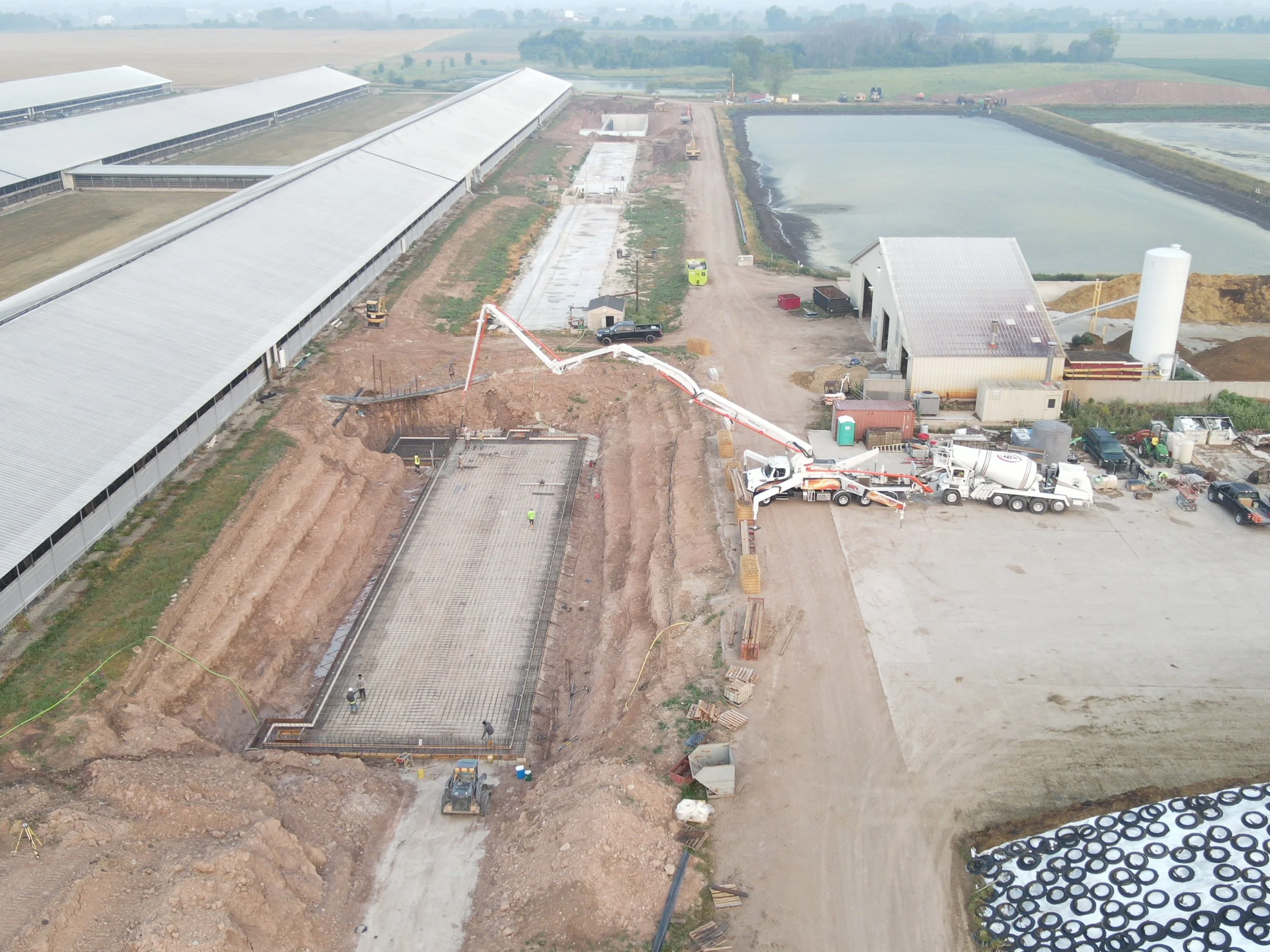
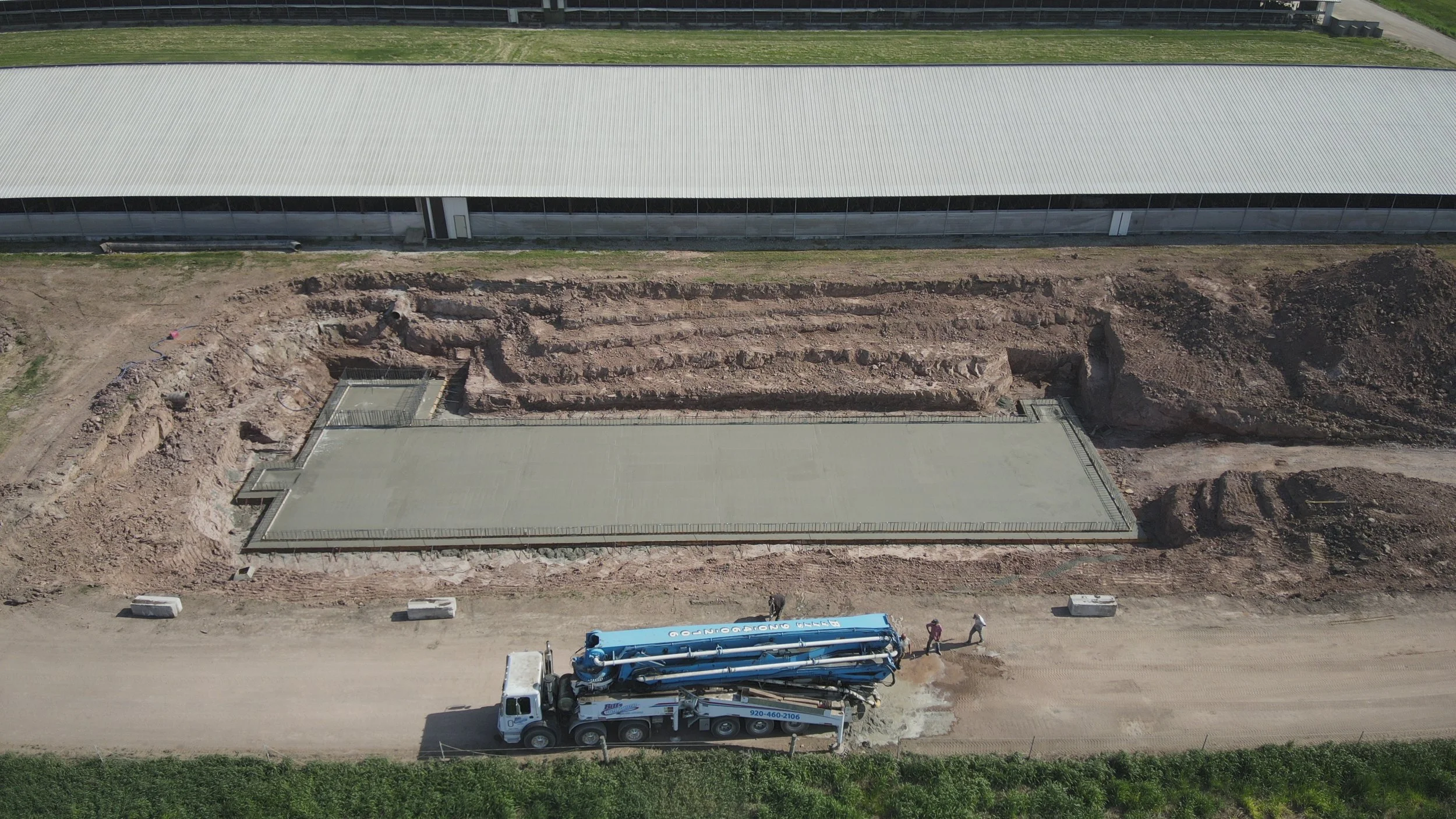
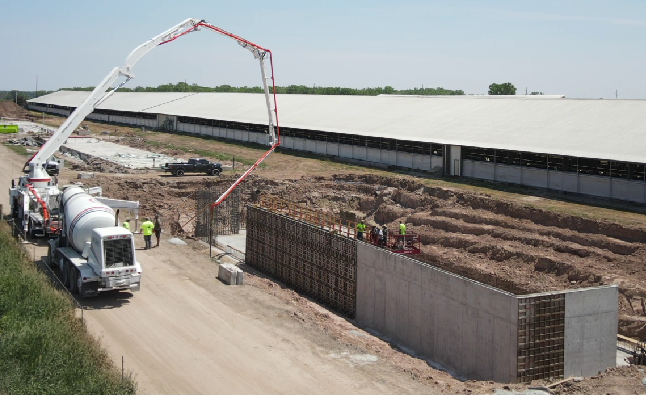
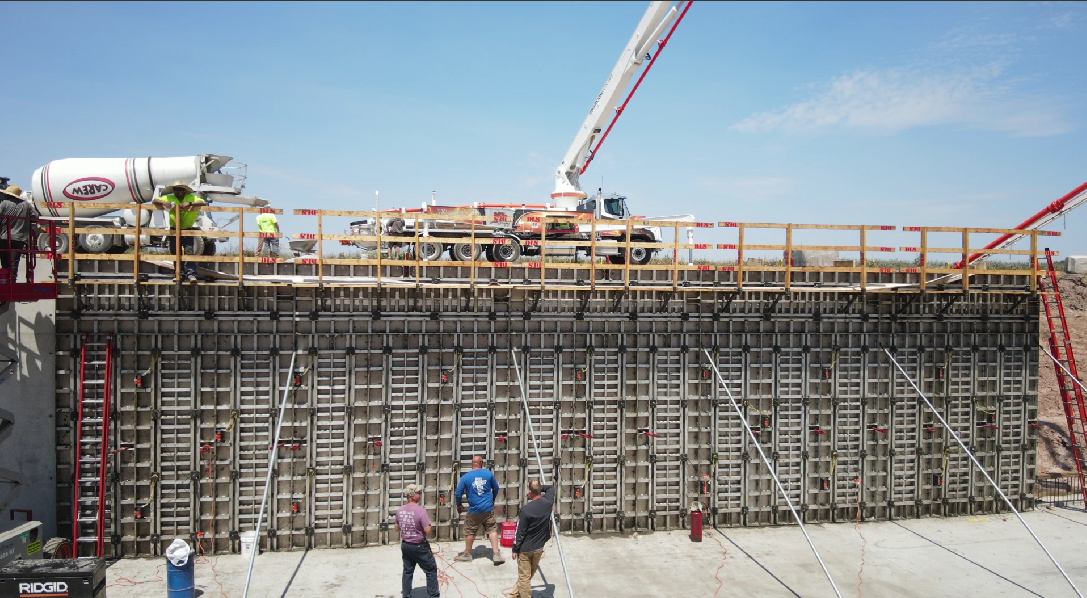
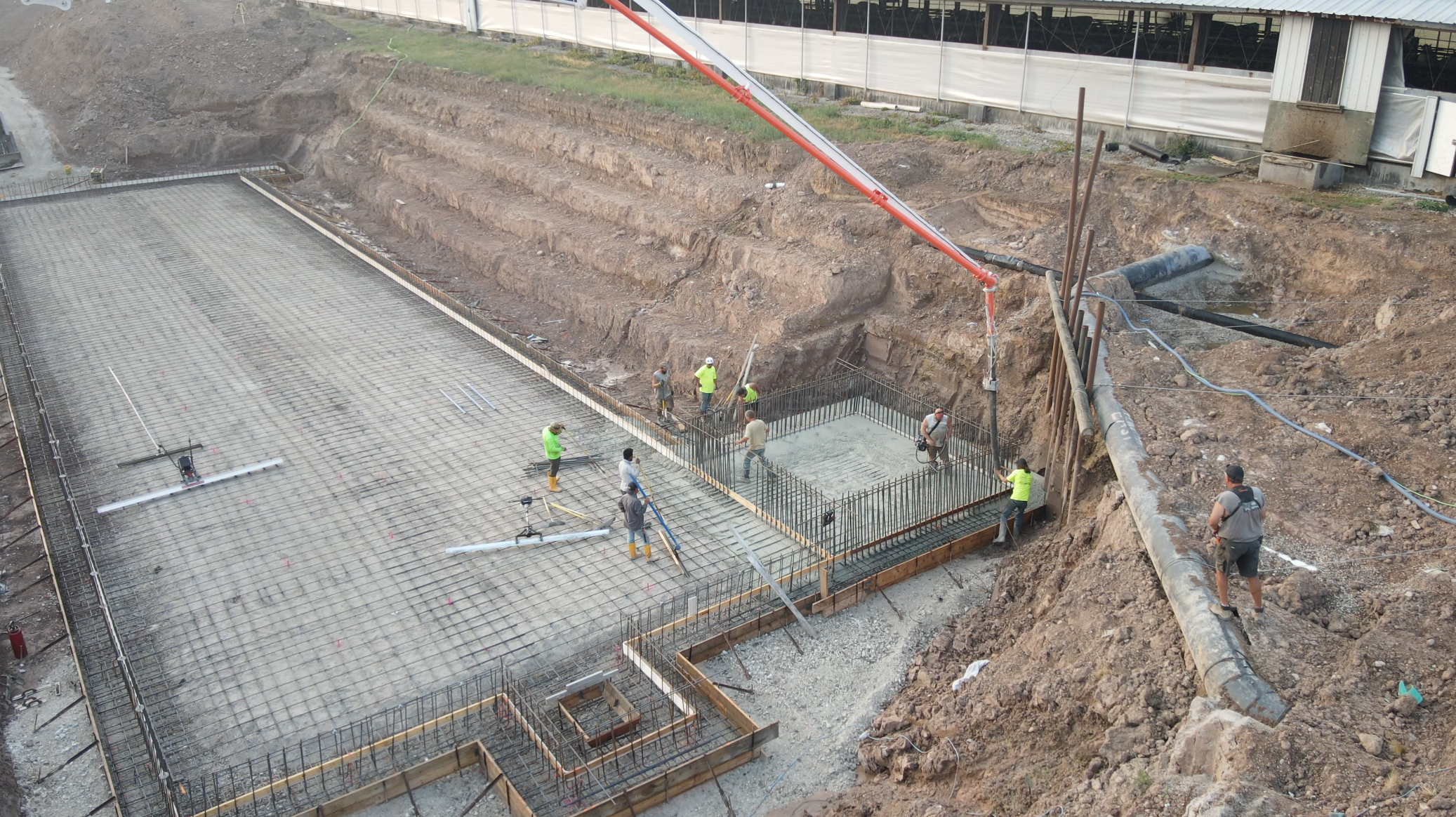
Key Components and Features:
Digester Vessel: Typically constructed of reinforced concrete or steel, designed for gas-tight operation and temperature control.
Feedstock System: Manure and organic waste are pumped or gravity-fed into the digester at controlled rates.
Gas Collection and Handling: Biogas is collected under a flexible or rigid cover and directed to storage or energy conversion systems.
Mixing and Heating Systems: Maintain uniform temperature and microbial activity to optimize gas production.
Effluent Management: The stabilized effluent is stored in post-digestion tanks or lagoons for nutrient recycling.
Benefits:
Converts waste into renewable energy (reducing fossil fuel dependence).
Reduces odor, pathogens, and greenhouse gas emissions from manure storage.
Produces nutrient-stable effluent suitable for land application.
Supports environmental compliance and sustainability goals in livestock operations.
Anaerobic digesters are commonly integrated into large dairy or livestock facilities as part of a comprehensive manure management system, often working alongside concrete-lined pits, sand-separation systems, and 3D-graded concrete flatwork to manage waste efficiently and sustainably